Finance
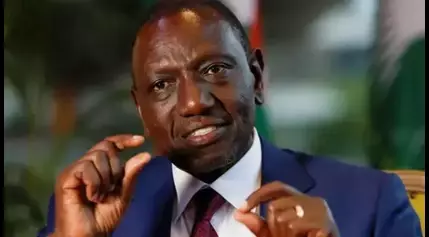
Kenyan Youth Uprising: President Ruto Backtracks on Controversial Finance Bill
In a surprising turn of events, Kenyan President William Ruto has made a U-turn on the Finance Bill 2024, which had sparked widespread unrest in the country. The president's decision comes after a bold and new generation of young Kenyan protesters took to the streets, forcing the government to reconsider its unpopular tax proposals.Empowering the Next Generation: Kenyan Youth Demand Accountability
Grassroots Uprising: The Power of Citizen Activism
What started as anger on TikTok about a controversial finance bill quickly escalated into a nationwide revolution, with no political parties organizing the protests. On Tuesday, hundreds of young Kenyan protesters, wearing trainers and feeling that their fellow citizens were already overtaxed with little to show for it, faced off against police who fired tear gas to disperse the march in the capital, Nairobi.The protesters' actions were a testament to the power of citizen activism and the growing voice of the Kenyan youth. They refused to be silenced and demanded that their government listen to their concerns and address the pressing issues they faced. This grassroots uprising showcased the determination and resilience of the Kenyan people, who were willing to take to the streets to fight for their rights and a better future.President Ruto's Response: Acknowledging the Protesters' Concerns
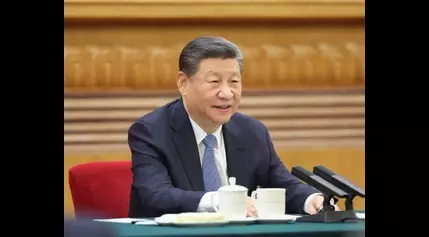
In a nationwide address on Wednesday, June 26, 2024, President Ruto acknowledged the protesters' concerns and announced that he would not sign the Finance Bill. The president stated that the bill was still in the process and that the government would listen to the young people, hear their needs, ideas, and what they think.This move by President Ruto was a significant shift from his earlier stance, where he had claimed that "criminals" had hijacked the anti-tax protests. In his address, the president recognized the importance of the issues raised by the protesters and expressed a willingness to work with the young people to address their concerns.Addressing the Violent Clashes: Balancing Security and Dialogue
However, the president did not shy away from addressing the violent clashes that had occurred during the protests. He acknowledged that it was "very painful for Kenya" to see "dangerous people" hijack the important conversation and raise "terror against the people." Ruto vowed to deploy all available resources to fight those who were "undermining the security of the country," describing the protests as a threat to national security.The president's stance on the violent aspects of the protests highlighted the delicate balance that governments must strike between maintaining public order and allowing for peaceful citizen expression. While the president recognized the legitimate concerns raised by the protesters, he also emphasized the need to uphold the rule of law and respect for institutions.Embracing the Youth's Voice: A Pathway to Meaningful Change
Despite the challenges, President Ruto expressed gratitude to the young people who had championed the protests, acknowledging that they had raised "important questions" that needed to be addressed. He emphasized the need for the protesters to conduct themselves in a manner that respects the rule of law and the country's institutions.This shift in the president's approach, from initially dismissing the protesters to recognizing their role in shaping the national discourse, represents a significant step towards embracing the voice of the Kenyan youth. By listening to their concerns and engaging in a constructive dialogue, the government has the opportunity to address the underlying issues and work towards meaningful change that benefits all Kenyans.The Kenyan youth have demonstrated their power to influence the political landscape and hold their leaders accountable. This uprising serves as a testament to the transformative potential of citizen activism and the importance of fostering an environment where the voices of the people are heard and respected.