Finance
Tackling the Opioid Crisis: A Multifaceted Approach
The opioid epidemic has ravaged communities across the United States, leaving a devastating trail of addiction, overdoses, and shattered lives in its wake. As local governments grapple with this public health crisis, the article examines the efforts of Montgomery County and Baltimore City to address the crisis, highlighting the challenges and potential solutions.Combating Opioid Addiction: A Holistic Approach
Montgomery County's Residential Treatment Center: A Glimmer of Hope
Montgomery County has taken a proactive step in addressing the opioid crisis by creating a residential treatment center for young people afflicted with opioid addiction. This new facility represents a crucial investment in the well-being of the county's youth, providing a safe and supportive environment for those struggling with the debilitating effects of opioid abuse.The decision to establish this treatment center underscores the county's recognition of the urgent need for comprehensive care and rehabilitation services. By offering a dedicated space for young individuals to receive specialized treatment, Montgomery County is demonstrating its commitment to tackling the opioid epidemic from the ground up. This facility will serve as a beacon of hope, providing a pathway to recovery and a chance for these young people to reclaim their lives.Baltimore's Approach: Grants and Oversight
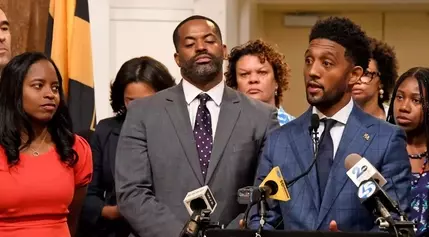
In contrast, Baltimore Mayor Brandon Scott has opted for a different strategy, focusing on providing relatively small grants to nonprofits. However, the article suggests that these grants have already failed to bring down the highest per capita level of opioid abuse in the country. This raises concerns about the effectiveness of the city's approach and the need for a more robust and coordinated response.The article also highlights the leadership challenges within the Baltimore City Health Department, noting that the department has been plagued by poor leadership since the departure of Dr. Leana Wen as commissioner. This instability within the department responsible for addressing the opioid crisis raises questions about the city's ability to provide the necessary resources and expertise to tackle the problem effectively.The Need for Comprehensive Solutions
The article calls on The Baltimore Sun to look beyond the press releases about the "huge pile of money" the city is receiving and to identify more creative ways to ameliorate the opioid crisis in Baltimore. This suggestion underscores the need for a multifaceted approach that goes beyond simply distributing funds and instead focuses on developing innovative, evidence-based strategies to address the root causes of the crisis.Effective solutions to the opioid epidemic require a comprehensive approach that combines treatment, prevention, and community engagement. This may involve expanding access to medication-assisted treatment, enhancing harm reduction programs, strengthening educational initiatives, and fostering collaborative partnerships between government agencies, healthcare providers, and community organizations.The Importance of Public Engagement and Oversight
The article also emphasizes the crucial role of public engagement and oversight in the implementation of opioid settlements. As local governments receive substantial funding to address the crisis, it is essential that these resources are allocated and utilized in a transparent and accountable manner. Engaging the community, incorporating diverse perspectives, and ensuring robust oversight mechanisms can help ensure that the funds are directed towards the most effective and impactful interventions.By prioritizing public engagement and oversight, local governments can build trust, foster community buy-in, and ensure that the opioid settlement funds are used to their full potential. This approach can help to address the unique needs and challenges of each community, tailoring the response to the specific circumstances and ensuring that the resources are directed towards the most pressing areas of concern.In conclusion, the article highlights the contrasting approaches taken by Montgomery County and Baltimore City in addressing the opioid crisis. While Montgomery County has invested in a dedicated residential treatment center, Baltimore's efforts have been met with skepticism due to the limited impact of the city's grant-based approach and the leadership challenges within the health department.The article's call for a more comprehensive and creative solution to the opioid crisis in Baltimore underscores the need for a multifaceted approach that combines evidence-based treatment, prevention, and community engagement. By prioritizing public engagement, oversight, and innovative strategies, local governments can work towards a more effective and sustainable response to the opioid epidemic, ultimately saving lives and restoring hope in the communities they serve.