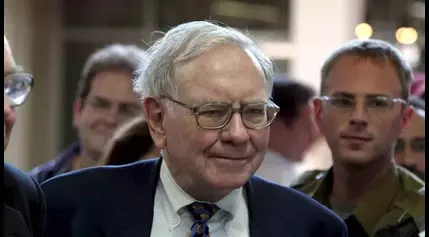
Warren Buffett: 10 Things Poor People Waste Money On
2025-11-17
2.1K
104
11
Unlock the Secrets to Wealth: Warren Buffett's Proven Strategies for Savvy Spending
Warren Buffett, the legendary investor and one of the world's most successful individuals, is renowned for his simple yet profound financial wisdom. His advice is not only insightful but also highly practical, offering a roadmap for individuals seeking to avoid common money mistakes and build their wealth. In this comprehensive article, we delve into the 10 things that Buffett believes poor people waste their money on, and the alternative approaches he advocates to achieve financial success.
Unlock the Secrets to Wealth: Warren Buffett's Proven Strategies for Savvy Spending
Investing in Yourself: The Key to Compounding Wealth
According to Buffett, the most important investment you can make is in yourself. He believes that knowledge is the foundation for building wealth, and he encourages individuals to continuously expand their understanding. Buffett's famous "Buffett formula" suggests that the key to success is to go to bed a little smarter each day. To this end, he recommends reading extensively, with a target of 500 pages per day. By prioritizing self-improvement and knowledge acquisition, individuals can unlock the power of compound interest and position themselves for long-term financial success.
Avoiding the Debt Trap: Buffett's Preference for Cash
Buffett is a staunch opponent of credit card debt, preferring to rely on cash for the majority of his transactions. He believes that the high-interest rates and fees associated with credit cards can be a significant drag on one's financial well-being. Buffett's approach is to use his American Express card sparingly, paying cash for 98% of his purchases. By avoiding the debt trap, individuals can free up resources for more productive investments and savings.
Quality over Quantity: Buffett's Investment Philosophy Applied to Everyday Life
Buffett's investment philosophy emphasizes the importance of quality over quantity. He famously stated, "It's far better to buy a wonderful company at a fair price than a fair company at a wonderful price." This principle can be applied to everyday life as well. When making purchases, it's crucial to prioritize quality over quantity, as short-term savings may not translate into long-term value. Buffett's approach encourages individuals to focus on acquiring high-quality goods and services that will stand the test of time, rather than chasing the latest trends or bargains.
Embracing Simplicity: Buffett's Frugal Lifestyle
Contrary to the lavish lifestyles often associated with the ultra-wealthy, Buffett is known for his remarkably frugal lifestyle. He doesn't care about having the latest technology or designer labels, and he used a flip phone for several years before upgrading to an iPhone in 2020. Buffett's advice is to "do not save what is left after spending, but spend what is left after saving." By prioritizing savings and avoiding unnecessary spending, individuals can build wealth and achieve financial security.
The Wisdom of Used Cars: Buffett's Preference for Pre-Owned Vehicles
Buffett is a firm believer in the value of used cars, recognizing that new vehicles experience a significant depreciation in the first year of ownership. Instead of buying a brand-new car, Buffett prefers to purchase used vehicles at reduced prices. He acknowledges that he only drives about 3,500 miles per year, making new car purchases an infrequent occurrence. By embracing the value of pre-owned vehicles, individuals can avoid the steep initial depreciation and redirect those savings towards more productive investments.
The Art of Savvy Spending: Buffett's Pursuit of Deals
Even the legendary Warren Buffett is not immune to the allure of a good deal. In fact, he has been known to use coupons and seek out discounts when making purchases. Famously, Buffett once treated Bill Gates to a meal at a fast-food restaurant and used coupons to help pay for the meal. This anecdote serves as a reminder that even the wealthiest individuals recognize the value of finding ways to save money on everyday expenses.
Embracing Routine: Buffett's Simple Dining Habits
Buffett's approach to dining is remarkably simple and consistent. He has been quoted as saying, "I like eating the same thing over and over and over again. I could eat a ham sandwich every day for fifty days in a row for breakfast." This preference for routine and simplicity in his diet reflects Buffett's broader philosophy of avoiding unnecessary indulgences and focusing on what truly matters. By embracing a simple and consistent approach to dining, individuals can free up resources for more productive investments and savings.
In his early years, Buffett demonstrated an entrepreneurial spirit, taking on various side hustles and finding ways to generate additional income. He delivered newspapers, sold used golf balls, and even buffed cars to supplement his earnings. Buffett's willingness to seek out new opportunities and create them when necessary is a testament to his resourcefulness and drive. By emulating this entrepreneurial mindset, individuals can unlock new avenues for wealth creation and financial growth.
Avoiding the Pitfalls of Gambling: Buffett's Stance on Gambling
Buffett is a vocal critic of gambling, describing it as "socially revolting" and a "tax on ignorance." He believes that governments should not make it easy for people to waste their hard-earned money on gambling activities. Instead, Buffett encourages individuals to focus on more productive and responsible uses of their financial resources, such as investing in themselves, building savings, and pursuing meaningful goals.
Living Within Your Means: Buffett's Advice on Avoiding Envy
Buffett's philosophy on living within one's means is rooted in the idea of avoiding envy and maintaining a realistic standard of living. He has stated that his goal is "not to make people envious" and has cautioned against confusing the cost of living with the standard of living. When making purchasing decisions, Buffett encourages individuals to ask themselves whether they truly need an item or if they are simply being tempted by desire. By aligning their spending with their values and priorities, individuals can build wealth and achieve financial stability.